
Most Airbnb hosts believe the only way to get more bookings is by lowering prices. In reality, price cuts often attract the wrong guests, reduce profitability, and damage long-term positioning.
Over the last 15+ years working with Airbnb hosts, boutique hotels, homestays, and hostels, I’ve seen the same pattern repeat across markets. Properties with strong fundamentals outperform cheaper listings every time.
This guide explains how to increase Airbnb bookings without lowering prices by focusing on guest psychology, listing quality, experience design, and operational clarity.
Why Lowering Prices Is the Wrong Strategy
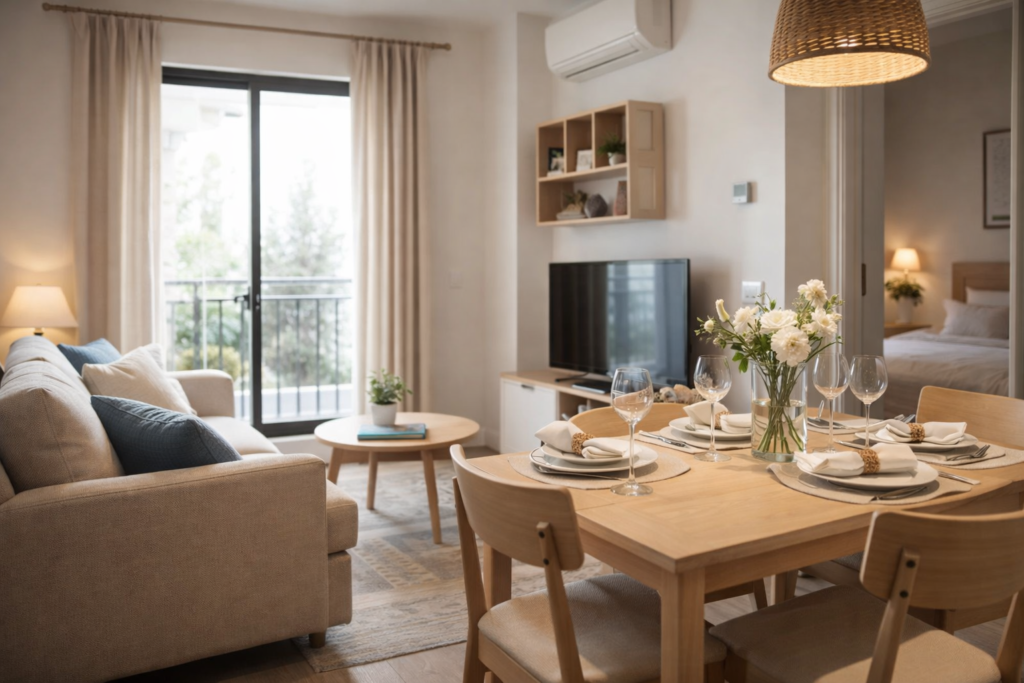
In competitive markets, successful hosts don’t compete on price. They compete on clarity, experience, and perceived value. That’s where sustainable growth comes from.
What Actually Happens When You Drop Your Airbnb Price
When prices fall, three things usually happen. First, inquiry quality drops. Second, guest expectations rise disproportionately. Third, operational pressure increases without improving profitability.
Hosts often notice more messages, more negotiation attempts, and more complaints. Cleaning standards, amenities, and response times come under scrutiny, even though the nightly rate is lower.
This creates a cycle where hosts work harder for less return, while listings lose their premium positioning in search results.
How Airbnb’s Algorithm Actually Decides Which Listings Get More Bookings
Airbnb does not rank listings based on price alone. The platform prioritizes listings that consistently convert views into bookings while maintaining guest satisfaction.
The algorithm looks closely at how guests interact with your listing. Click-through rate, booking conversion rate, response speed, cancellation history, and review quality all influence visibility.
When a listing converts well at a stable price, Airbnb sees it as reliable inventory. That reliability is rewarded with better placement in search results.
This is why hosts who understand listing performance often outperform cheaper competitors without touching their pricing.
Why Conversion Rate Matters More Than Nightly Price
A lower price may increase clicks, but it does not guarantee bookings. Airbnb tracks whether guests actually complete reservations.
Listings that attract serious guests, answer questions clearly, and remove friction convert better. Higher conversion tells Airbnb your listing is a good match for guest intent.
Over time, this improves visibility more effectively than price drops ever could.
Optimizing Your Airbnb Listing to Increase Bookings Without Price Cuts
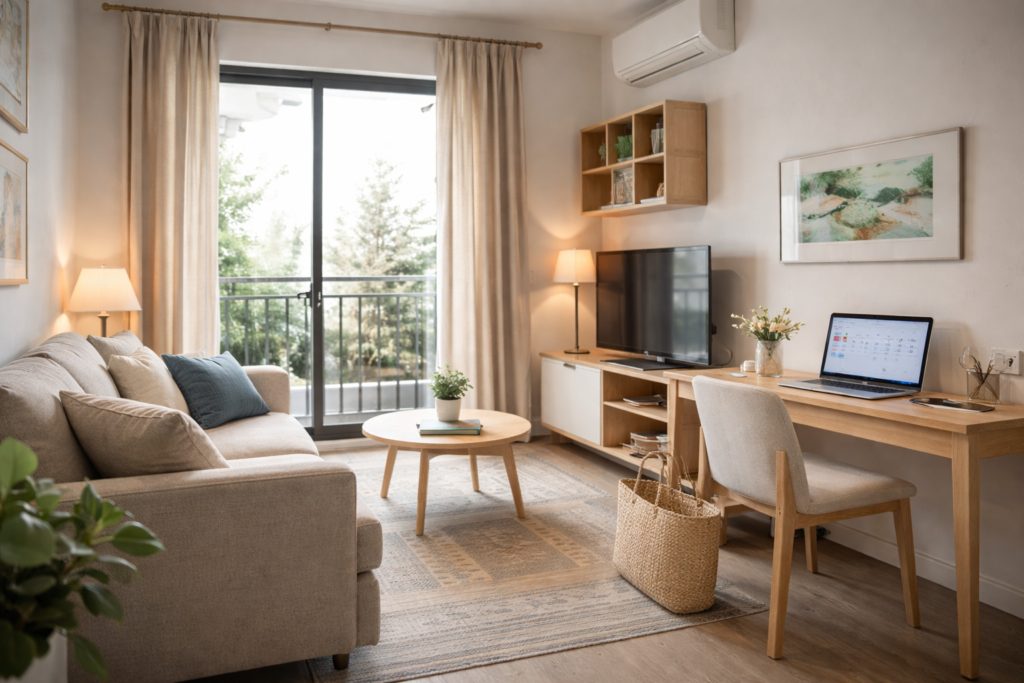
How to increase airbnb bookings without lowering prices
Most Airbnb listings fail not because they are overpriced, but because they are unclear. Guests don’t book confusion.
Your listing should answer three questions within the first few seconds:
What is this place? Who is it for? Why should I trust it?
Airbnb rewards listings that reduce uncertainty. Clear photos, honest descriptions, and well-defined expectations create confidence, which leads to bookings.
Optimisation is not about adding more words. It’s about removing doubt.
Improve Your Airbnb Title for Click-Through Rate
Your title decides whether a guest clicks or scrolls past. It should highlight one strong benefit, not list everything.
Avoid generic phrases like “Cozy stay” or “Best location.” Instead, focus on what actually matters to your ideal guest.
Examples include proximity to landmarks, suitability for work trips, privacy, or unique features that solve a real need.
Use Photos That Answer Guest Questions
Airbnb guests scan photos to confirm comfort, cleanliness, and layout. If photos create questions, bookings drop.
Start with a clear hero image. Follow with logical sequencing: bedroom, bathroom, living space, workspace, and exterior.
Photos should explain space, not decorate it. Natural light, honest angles, and consistency build trust far better than heavy editing.
Write Descriptions That Reduce Booking Anxiety
Good descriptions prevent misunderstandings before they happen. They clarify noise levels, stairs, parking, check-in flow, and who the space is best suited for.
When expectations are aligned, guests book with confidence and leave better reviews.
Airbnb notices this pattern and rewards listings that consistently deliver predictable experiences.
How Reviews, Response Speed, and Host Behavior Drive Airbnb Bookings
Airbnb is not just a marketplace. It’s a trust engine.
The platform tracks how guests feel after booking and how hosts behave before and after stays. Listings that consistently reduce friction are promoted more often.
Reviews, response time, and host consistency work together. One weak area can limit performance, even if pricing and photos are strong.
Why Airbnb Reviews Matter More Than Star Ratings
Star ratings are visible, but written reviews carry more weight. Airbnb analyses language patterns to understand guest satisfaction.
Reviews that mention cleanliness, accuracy, communication, and smooth check-in reinforce trust signals.
Encouraging honest feedback and fixing repeated issues improves both conversion and visibility over time.
Response Time and Its Impact on Booking Decisions
Guests expect clarity before committing money. Slow responses create doubt, even when availability is open.
Airbnb rewards hosts who reply quickly and consistently. Fast responses improve placement in search results and increase inquiry-to-booking ratios.
Even short confirmations or clarifications can prevent lost bookings.
Consistent Hosting Builds Long-Term Visibility
Hosting patterns matter. Cancelling reservations, changing rules frequently, or inconsistent availability sends negative signals.
Airbnb favors reliability. Listings that operate smoothly over time gain stronger algorithmic trust.
Stability attracts better guests, better reviews, and more predictable income.
How Guest Experience Design Increases Airbnb Bookings
Guests don’t book rooms. They book certainty.
A well-designed guest experience removes doubts before they appear. When expectations are clear, guests book faster and complain less.
Experience design is about aligning your listing, communication, and on-ground delivery into one predictable flow.
Listing Clarity Reduces Booking Resistance
Guests scan listings quickly. Confusion leads to hesitation.
Clear descriptions, accurate photos, and simple rules help guests decide without friction.
Listings that answer common questions upfront convert better than listings that rely on follow-up explanations.
Check-In and First Impressions Matter More Than Amenities
Most negative reviews stem from early-stage frustration.
Complicated check-ins, unclear directions, or delayed access create stress before the stay begins.
A smooth arrival sets the tone for the entire experience and improves review quality.
Consistency Builds Repeat and Referral Bookings
Guests value predictability.
When what they experience matches what was promised, trust increases.
Consistent delivery leads to repeat bookings, longer stays, and organic referrals without discounting.
Optimizing Your Airbnb Listing Without Cutting Prices
Airbnb rewards listings that convert well, not listings that are cheap.
When your listing attracts the right guests and converts consistently, visibility improves automatically.
Optimization is about aligning your title, photos, and description with how guests actually search and decide.
Your Title Should Sell Outcomes, Not Features
Guests look at photos before reading descriptions.
Poor lighting, clutter, or mismatched images reduce perceived value instantly.
High-quality photos that show space, flow, cleanliness, and usability justify higher pricing without explanation.
Descriptions Should Remove Doubt, Not Add Information
Long descriptions don’t convert. Clear ones do.
Guests want to know if the place fits their needs, expectations, and travel purpose.
Structured descriptions that explain who the space is for — and who it’s not for — perform better and reduce price-based negotiations.
Using Pricing Psychology to Increase Airbnb Bookings
Pricing is not just a number. It is a signal.
Guests associate price with expectations. Extremely low prices often create doubt about quality, safety, or accuracy.
Smart hosts use pricing to reinforce value, not to compete blindly with every listing in the area.
Why Discounting Attracts the Wrong Booking Intent
Discounts attract guests who compare aggressively and negotiate frequently.
These guests are more likely to cancel, complain, or leave lower reviews when expectations are not exceeded.
Over time, this damages listing performance more than it helps occupancy.
Minimum Stays and Calendar Control Matter
Short stays often create high turnover without improving revenue.
Setting sensible minimum stays filters guests who value convenience and planning.
Airbnb rewards listings with stable calendars and predictable booking patterns.
Raising Prices Can Sometimes Increase Bookings
When demand is healthy, slightly higher prices can improve guest quality and satisfaction.
Guests booking higher-priced listings tend to respect house rules and leave clearer feedback.
In many cases, raising prices improves both reviews and long-term visibility.
When to Seek Professional Guidance for Airbnb Growth
Many Airbnb hosts reach a plateau after initial success.
At this stage, price changes stop working. Listings feel “stuck” despite good locations or amenities.
This is usually the point where an outside perspective helps identify blind spots — from positioning and operations to guest communication and experience flow.
Professional guidance is not about shortcuts. It’s about fixing the right problems early and avoiding months of trial and error.
Increasing Airbnb bookings without lowering prices is possible when you focus on clarity, experience, and trust.
Listings that communicate well, deliver consistently, and attract the right guests outperform cheaper competitors in the long run.
If you’re serious about improving performance across Airbnb, hotels, hostels, or homestays, structured guidance can help you move faster and avoid costly mistakes.